October 5, 2026
Having a reliable air conditioning system is essential for maintaining everyday health, productivity, and indoor comfort during severe summer heatwaves. Professional air conditioning services help ensure that your cooling equipment operates at peak performance throughout the warmest months of the year. From understanding fundamental refrigeration mechanics to recognizing when an aging system requires replacement, this guide provides practical insights to help you make informed decisions for your property. According to the Department of Energy, 88% of residential properties in America rely on air conditioning systems to maintain comfortable indoor temperatures. Partnering with a licensed HVAC contractor ensures your home remains cool, dehumidified, and energy-efficient all season long.
Understanding the Basics of Air Conditioning Systems
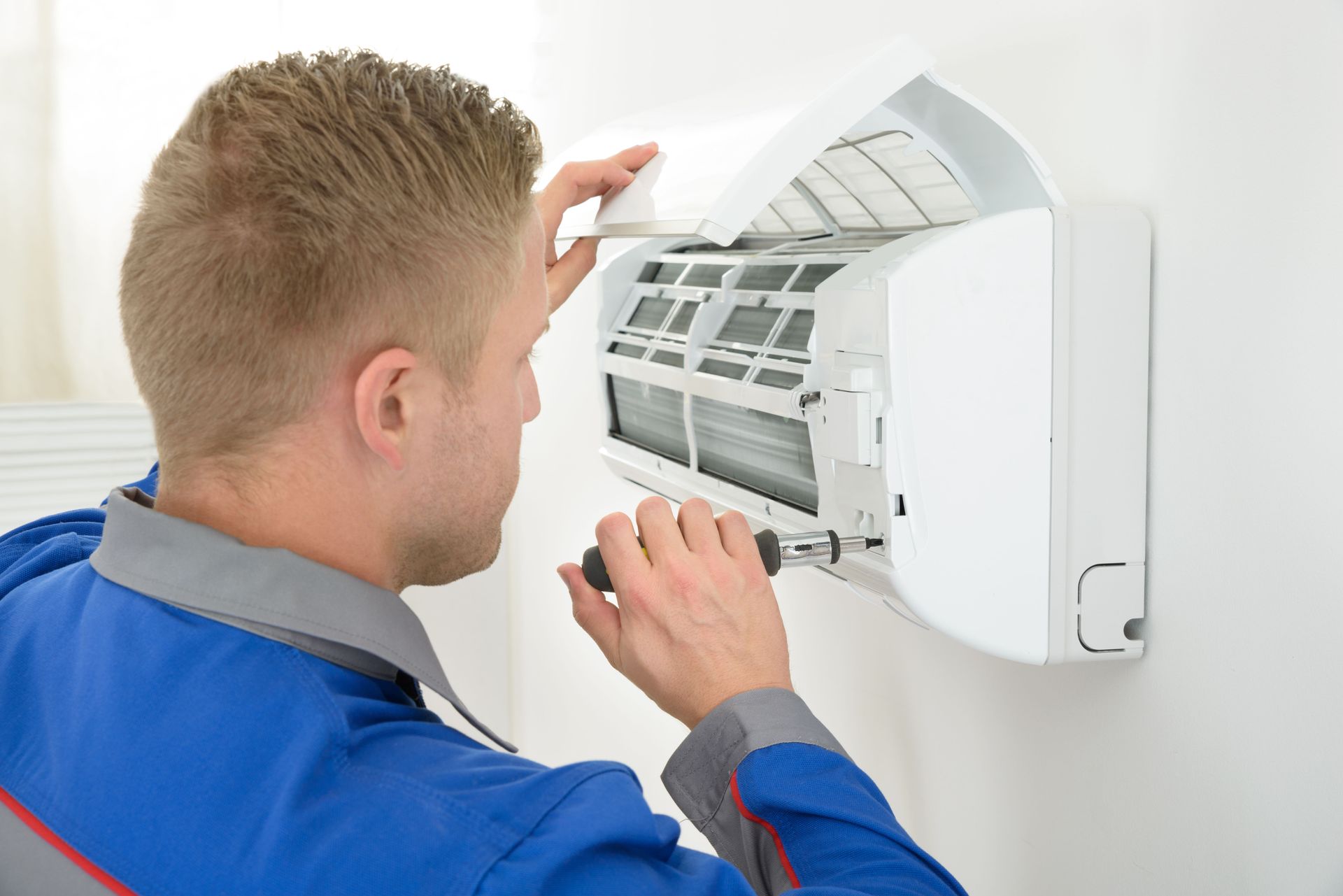
Air conditioning systems come in various configurations designed to serve different property footprints. Common options include window units, ductless mini-split systems, traditional central air conditioning, and portable cooling units. Window and portable units work well for single rooms, while central air conditioning systems circulate cool, filtered air through a network of ductwork for entire homes. Split systems utilize separate indoor air handlers and outdoor condenser units to deliver flexible, zoned cooling. Selecting the right type of system depends on your layout, existing infrastructure, and long-term efficiency goals.
In technical HVAC terminology, a split system features both an indoor evaporator component and an outdoor condensing unit. Air conditioners cool your home by extracting thermal energy from indoor spaces and expelling it outdoors through a continuous refrigeration cycle. Chemical refrigerant circulating through closed copper tubing absorbs heat from indoor air and transforms from a liquid to a gas. As warm air passes over the cold evaporator coils, heat is removed, and a circulating blower fan distributes the refreshed air back through living spaces while regulating humidity levels.
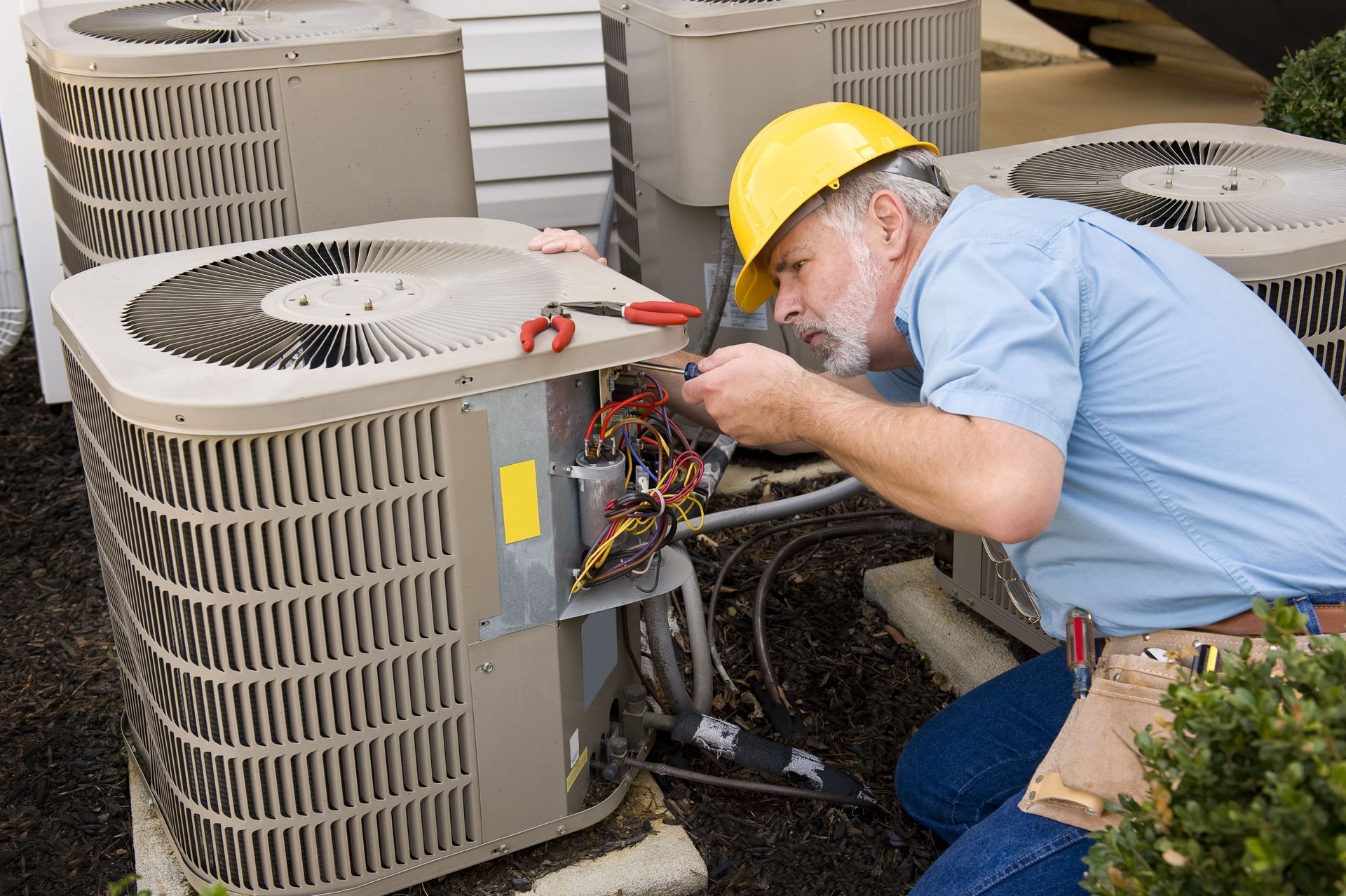
Maximum energy efficiency occurs when a cooling system maintains a precise balance between indoor airflow, refrigerant charge, and compressor speed. This delicate balance is why professional AC services are indispensable for homeowners. During routine service calls, certified technicians verify refrigerant pressures, clear condensate drain lines, inspect electrical connections, and clean dirty coils to prevent sudden operational breakdowns.
Central air conditioners rely on several core mechanical components working together. The evaporator coil absorbs indoor heat, the compressor pumps refrigerant through the system under high pressure, and the condenser discards the heat outdoors. Thermostats offer precise temperature control, while air filters trap airborne particles to maintain air quality. Ductwork, copper linesets, and electrical contactors round out the system. When properly installed and calibrated by licensed professionals, these integrated elements form a durable, highly effective home cooling apparatus.
Energy Efficiency in Air Conditioning Products
Prioritizing energy efficiency when purchasing new cooling equipment delivers significant long-term performance and financial benefits. Modern air conditioners are rated using the Seasonal Energy Efficiency Ratio (SEER). A higher SEER rating indicates that a system consumes less electricity to produce the same volume of cool air. In addition to high-SEER ratings, units featuring variable-speed compressor motors adjust their output to match real-time cooling demands rather than running at maximum capacity constantly. Choosing Energy Star-certified products guarantees compliance with strict federal efficiency guidelines, lowering utility expenses while reducing your carbon footprint.
Signs Your AC System Needs an Upgrade
Several clear warning signs indicate that your existing air conditioner may be approaching the end of its operational life. Loud grinding or rattling noises signal mechanical wear in compressor bearings or fan motors. A sudden increase in summer utility bills reflects a declining system drawing excessive electricity. Frequent breakdowns, short-cycling, or an inability to maintain consistent indoor temperatures are strong indicators that your equipment needs replacement.
Another compelling reason to upgrade is if your current unit relies on R-22 refrigerant, an older compound phased out due to environmental regulations. Upgrading to a modern system utilizing R-410A or newer eco-friendly refrigerants ensures compliance and reduces environmental harm. If your system struggles to manage humidity or maintain air quality, engaging professional AC services allows you to identify hidden deficiencies and evaluate whether repairs or complete equipment replacement represents the most cost-effective path forward.
The Benefits of Upgrading Your AC System
Upgrading to a modern air conditioning system provides immediate improvements in home comfort, seasonal reliability, and operational efficiency. Modern systems utilize variable-speed technology and advanced heat exchangers to optimize power usage, yielding lower monthly utility bills and a reduced environmental impact. In addition, these updated units deliver faster cooling, maintain steady indoor temperatures with minimal fluctuations, and excel at controlling humidity levels to prevent moisture damage and mold growth.
The financial and ecological benefits extend even further through high-SEER ratings and programmable smart thermostats that optimize cooling schedules, eliminating energy waste and significantly reducing seasonal operational expenses. By employing eco-friendly refrigerants and lowering overall power demand, new systems minimize global warming potential and ease strain on regional energy grids. Furthermore, superior multi-stage air filtration technologies capture dust, pollen, and allergens to dramatically improve indoor air quality, while quiet noise-reducing technology fosters a serene living environment. Choosing professional AC services ensures your new equipment is properly sized, installed, and configured to deliver these multifaceted benefits consistently.
Choosing the Right Professional AC Service Provider
Selecting a qualified contractor begins with thorough research of local companies specializing in both installation and ongoing maintenance. Look for providers with verified industry accreditations from trade associations such as ACCA or NADCA. Ensure that the technicians servicing your system hold respected industry credentials, including NATE or EPA Section 608 certifications for safe refrigerant handling. Valid state licensing, liability insurance, and workers' compensation coverage protect you from financial risk during installation.
Online customer reviews and personal recommendations provide valuable insights into a contractor's punctuality, technical capability, and customer care standards. Be sure to request detailed, itemized written estimates from multiple licensed providers to compare equipment specifications, labor charges, and warranty terms transparently. Establishing an ongoing relationship for professional AC services ensures seasonal tune-ups, extends equipment operational life, and protects long-term warranty coverage.
Upgrading to a modern, high-efficiency air conditioner transforms home comfort, lowers monthly utility expenses, and delivers clean indoor air throughout the hottest months of the year. From selecting variable-speed equipment to establishing a routine preventive maintenance plan, professional HVAC contractors provide the technical expertise needed to keep your system operating at peak performance. Utilizing comprehensive AC services ensures your equipment receives the precise calibration required for long-term efficiency.
Investing in a high-efficiency system is not merely about surviving summer heatwaves; it is a strategic long-term improvement to your overall residential property value. Modern cooling units protect internal home structures, delicate woodwork, and sensitive electronics by regulating indoor humidity levels with unmatched precision. Furthermore, making the transition to eco-friendly refrigerants and lower-wattage equipment reduces your household’s ecological footprint while shielding your family from rising seasonal utility rates. Taking a proactive approach to your home’s climate control prevents unexpected equipment failure during peak heat, saving you from expensive emergency service fees and uncomfortable indoor conditions. By prioritizing professional sizing, precision installation, and routine performance tune-ups, you guarantee that every component operates seamlessly for its entire intended lifespan.
Our experienced team is ready to deliver tailored solutions, transparent pricing, and reliable service that keeps your home cool all summer long. To explore your cooling options or schedule a comprehensive system evaluation, contact Hoekstra Heating & Air Conditioning today to partner with trusted HVAC professionals dedicated to your long-term comfort and satisfaction.